

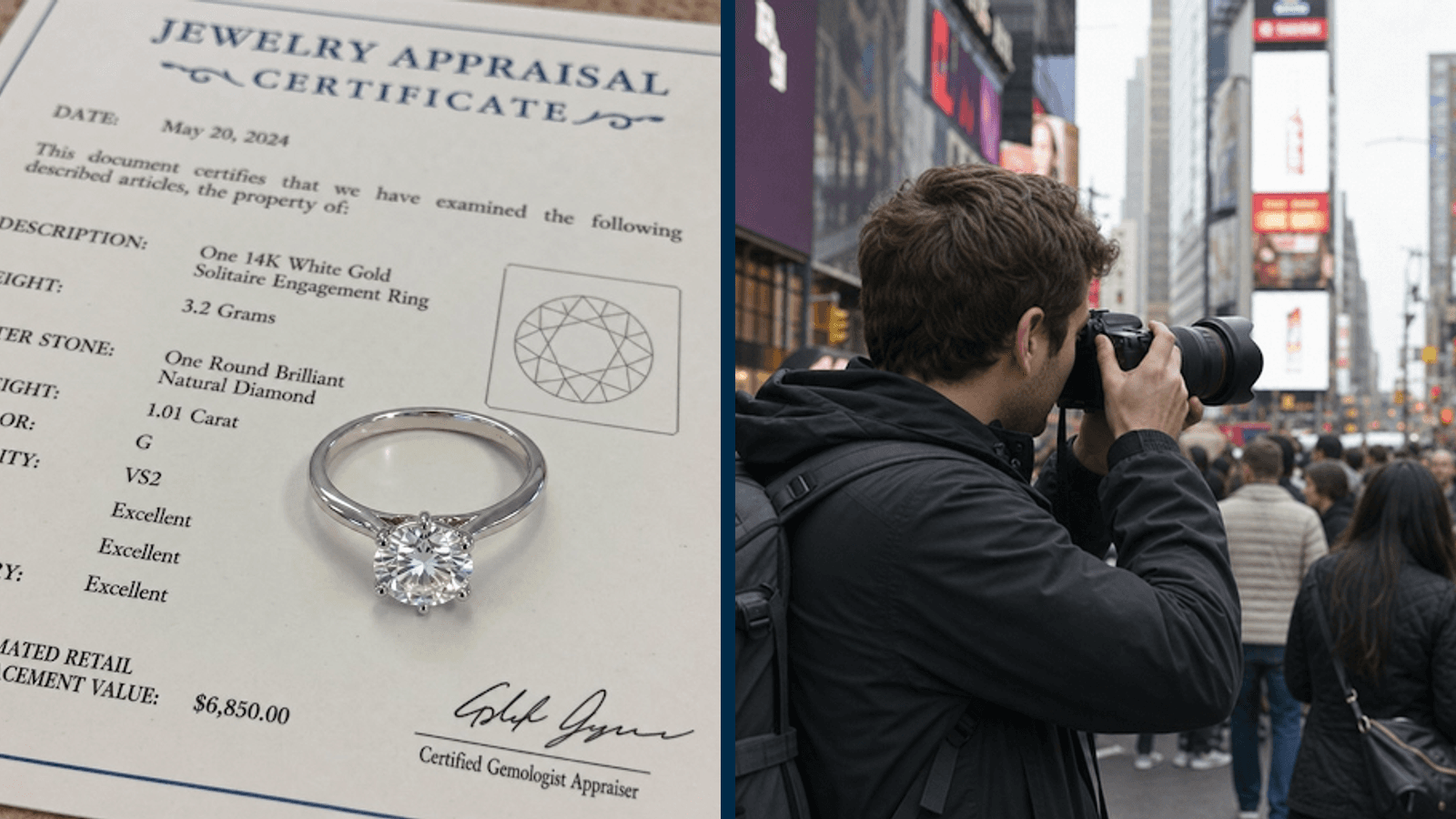
High-value items like engagement rings, laptops, cameras, and firearms can be surprisingly underinsured. Many Idahoans assume their homeowners or renters insurance will “just cover it,” but coverage is often limited by sub-limits, strict exclusions (like accidental loss), and depreciation - right when you need help the most.
As your local advisors at Redman & Company Insurance, we want to make sure your most valuable possessions are protected before a loss happens. Here is what you need to know about covering high-value items.
Pay Attention to Sub-Limits
Homeowners, renters, condo, and landlord policies typically cover personal property for listed risks (like theft or fire). However, many policies include “special limits of liability” - also known as sub-limits - for certain high-risk categories.
Even if your overall personal property limit is $100,000, these sub-limits can act as a hard cap on what your insurance carrier will pay out for specific types of items. Many homeowners policies include special limits of liability for certain categories of property, including jewelry, watches, firearms, and other high-value items. For example, some common policy forms may limit theft coverage to around $1,500 for jewelry and $2,500 for firearms. Exact limits vary by carrier and policy, so it’s important to review your specific coverage.
The National Association of Insurance Commissioners (NAIC) notes that these special limits apply regardless of how much coverage you have for the rest of your home. If an $8,000 engagement ring or a $4,000 custom hunting rifle is stolen, a standard policy may leave you paying thousands out of pocket to replace it.
Common Gaps: What You Usually Need (and Don’t Realize)
When people say “covered,” they often mean full replacement with minimal hassle. In practice, gaps in a standard policy tend to show up in three places:
- Low Category Sub-Limits: As noted above, your policy may only pay a fraction of the item's true worth unless the item is specifically listed (scheduled) on your policy.
- Accidental Loss or “Mysterious Disappearance”: Having your camera stolen from your car is usually covered, but dropping an earring or losing your wedding ring in Lake Coeur d'Alene is often classified as "mysterious disappearance" - which generally is not covered under a standard policy.
- Depreciation on Tech: Many standard policies pay "Actual Cash Value" (depreciated value). If your three-year-old laptop is destroyed, you will typically only receive what a used three-year-old laptop is worth today, unless you have replacement-cost coverage.
Insurance vs. Warranty: What’s the Difference?
Don't confuse a manufacturer's warranty with insurance. The FTC explains that warranties are simply promises about a product’s condition and what the seller will do if it naturally fails or breaks due to defects. A warranty will not replace a stolen laptop or a lost watch. Insurance is specifically designed to help pay for covered events like theft, loss, and accidental damage.
Your Coverage Options: How to Fully Protect Your Valuables
If the value of your jewelry, tech, or firearms exceeds your policy's sub-limits, you have two primary ways to close the gap:
- Schedule It (Rider/Endorsement): You may be able to add a specific high-value item to your homeowners or renters policy for an agreed amount. Scheduling an item can provide broader protection than the standard policy and may include coverage for accidental loss or mysterious disappearance, along with a lower or even $0 deductible, depending on the carrier and policy.
- Standalone Policies: In some cases, a separate policy may be available specifically for items such as jewelry or firearms. Depending on the policy, this may provide broader coverage for risks such as theft, loss, or accidental damage and allows the item to be insured separately from the homeowners policy.
What Documentation You Need to Schedule an Item
To properly schedule an item for its full value, your insurance carrier will need documentation to prove what it is worth. Keep this checklist handy when taking inventory:
- Jewelry: You will need a clear photo, the serial number (if applicable, like on high-end watches), and either a recent professional appraisal or the original purchase receipt.
- Firearms: You will need a photo, the exact make/model/caliber, the serial number, and either an appraisal or the purchase receipt.
- Tech & Electronics: You will need a photo, the serial number, and the purchase receipt to establish the replacement cost.
Frequently Asked Questions (Idaho Valuables Coverage)
Are engagement rings fully covered under standard homeowners insurance?
Not usually. Many homeowners policies include special limits of liability for jewelry theft, and some common policy forms may limit that coverage to around $1,500, regardless of your total personal property limit. Exact limits vary by carrier and policy. To more fully cover an engagement ring, you typically need to add it as a scheduled item (a rider) to your policy.
Does homeowners insurance cover a lost ring or dropped camera?
Standard policies generally do not cover accidental loss or "mysterious disappearance" (like losing a ring at Lake Coeur d'Alene). You may need to schedule the high-value item or purchase a standalone policy to get coverage for accidental loss, depending on the carrier and policy.
How much does standard insurance pay if my firearms are stolen?
Many homeowners policies include special limits of liability for stolen firearms and related equipment, and some common policy forms may limit that payout to around $2,500. Exact limits vary by carrier and policy. If your collection is worth more, you will typically need extra coverage.
What proof do I need to insure high-value items?
To properly schedule an item, your insurance carrier will typically require a clear photo, the item's serial number, and either a recent professional appraisal or the original purchase receipt.
Take Action Today
Pull out your policy documents and look for “special limits of liability,” or take a quick inventory of your personal items. Want to make sure your valuables are adequately protected?
Get a free quote, and we’ll review your current sub-limits and explore your scheduling options.
Get a free quoteTalk to a Redman Insurance agent today about covering jewelry, tech, and firearms the right way.
Talk to a Redman Insurance agentCoverage, limits, deductibles, eligibility, discounts, and pricing vary by carrier and policy. This information is for general educational purposes only and does not modify, replace, or guarantee the terms or coverage provided by any insurance policy.